Gallipoli Spotter Class Guide
Isonzo’s Mountaineer, rebuilt for Ottoman Front sightlines and Expedition pings.
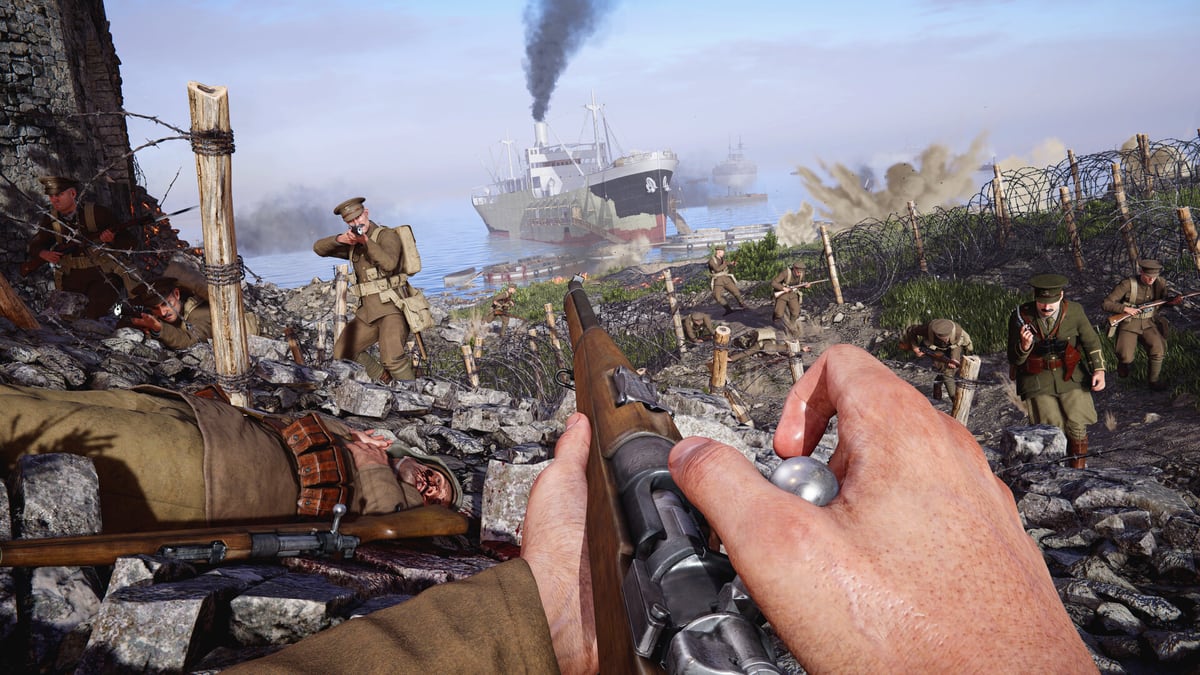
Spotter is the returning reconnaissance class BlackMill listed in the Gallipoli roster blog: Spotter (previously Mountaineer). It is easy to skip because trailers shout Officer, Stretcher Bearer, and Heavy Machine Gunner. Then you queue Ctesiphon, nobody marked the Gurkha Mound Maxim, and twenty-four teammates stand up into the same belt. This page is the missing recon chapter. Official materials did not dump a full Spotter kit table the way they did for Engineer, so we stay honest: role identity from the class list, map logic from the named theatres, and ping habits from the live movement/UI promises. We will not invent unreleased gadget names.
For the complete ten-class picture, use Classes Overview. For the people who shoot what you mark, use Firepower Roles.
What “previously Mountaineer” actually means
In Isonzo, Mountaineer was the Alpine pathfinder: someone who saw the next ledge before the Assault blob walked into it. Gallipoli keeps that job and changes the scenery. There are fewer vertical goat paths and more horizontal death grounds — beaches, desert approaches, palm lines into Kut. Spotter is not a second Sniper, even if the rifle tempts you. Sniper (previously Marksman) owns the pick. You own the information that makes the pick cheap.
BlackMill said returning classes fill the same or similar roles with new perks, equipment, and buildables for the Ottoman Fronts, and that subclass abilities are mirrored between British and Ottoman factions (Light Machine Gunner being the British-only exception). Expect Spotter tools to be about seeing, marking, and surviving long enough to ping again — not about winning the server K/D.
Why Expedition makes recon mandatory
Expedition Mode randomizes Headquarters and Support Objective locations inside a sector. The Support Objective can sit on the “other” of two possible sites. If your team treats every map like a memorized Call of Duty lane, you will attack the empty courtyard while the field gun farms the real HQ. A Spotter who lives thirty seconds ahead of the wave is how a 25-player team learns the layout this round, not the layout from a YouTube video shot on a different seed.
Momentum also cares. Open maps delete attackers who peek blind. One good mark on a Heavy Machine Gunner nest is a cheaper ticket than five Riflemen discovering it with their chests. That is especially true after the downed-state change: a marked lane lets a Stretcher Bearer approach from the covered angle instead of repeating the same death.
Map jobs
Anzac Cove. The landing is boats and then Plugge’s Plateau language from the official map blog: uphill, shrub cover that only works if you go prone, and a Sphinx / Yüksek Tepe-style high point that sees back to the beach. Your first mark should be the gun that owns the beach exit, not a random Ottoman on a far ridge. Anzac Cove.
Cape Helles / V Beach. Rowboat versus SS River Clyde is a spawn choice; both dump you toward a castle courtyard and a grassy MG incline. Spot the arrowslit and the grassy nest before the gangway crowd stands up. Village streets later in the map become Sniper alleys — mark the long street, then leave it. Cape Helles.
Ctesiphon. This is your showcase. Ruins, Arch funnel, Gurkha Mound, Tigris split. If you cannot explain those four nouns, you are not ready to queue as Spotter. Live on the mound’s shoulder, not the crest. Ctesiphon.
Kut Al Amara. Shorter sightlines. You still matter, but you mark windows and Mud Fort approaches rather than horizon belts. Do not compete with Bombers for the same doorway. Kut Al Amara.
How to ping without griefing
Gallipoli’s mixed crossplay lobbies live on pings more than typed chat. Controls is required reading. Spotter-specific habits:
- Mark nests, Officers, and plant spots, not every Rifleman who crouched once.
- Refresh a mark when it goes stale. An old ping on an empty ruin sends Bombers into nothing and burns trust.
- Ping the path, not only the target. “Gun in castle slit, approach along the left wall” is a sentence. A naked icon is a shrug.
- After you mark, relocate. You just told the enemy you are looking. Snipers hunt Spotters who fall in love with one bush.
- If your Officer is calling a push, your next ping should serve that push, not a private sniper duel on the far flank.
What not to main this class for
- You want to be the only one shooting. Play Sniper or Rifleman.
- You want to be the squad’s medic. Play Stretcher Bearer.
- You want to own a lane for two minutes. Play Heavy Machine Gunner and bring an Ammo Bearer.
Play Spotter if you like being early, being quiet, and being the reason the wave did not stand up into a Maxim. It is a high-communication class. In solo queue, over-ping rather than under-ping. In a five-stack, agree on a callout language before the first landing.
Practice
Use bots & practice to walk a map once without shooting: name three guns, ping them, then watch whether a bot wave still eats the same angle. If they do, your mark was late or selfish. Then play a live match where your only success metric is “did the HMG die to a marked flank” rather than your own streak.
Spotter is how Gallipoli’s big maps stay readable. Isonzo called it Mountaineer. The Ottoman Front still needs someone who looks first.
Frequently Asked Questions
Quick answers to the most common questions.
Is Spotter a Gallipoli class?
Yes. BlackMill’s classes blog lists Spotter among the returning Isonzo roles, noting it was previously called Mountaineer.
Is Spotter the same as Sniper?
No. Sniper (previously Marksman) is the pick specialist. Spotter is reconnaissance: mark nests, Officers, and layout changes before the wave commits.
Which map needs Spotter most?
Ctesiphon’s open ruins and Gurkha Mound, then the landing maps. Kut still benefits, but streets reduce the horizon job.
Did BlackMill publish full Spotter kits?
Not in the same table as the Ottoman Engineer example. This guide sticks to the confirmed role rename and map logic rather than invented gadgets.